
Master the Art of Flag Building: Your UltimateGuide to Creating Custom Flags
- printworxgraphicsu
- Aug 10, 2024
- 10 min read
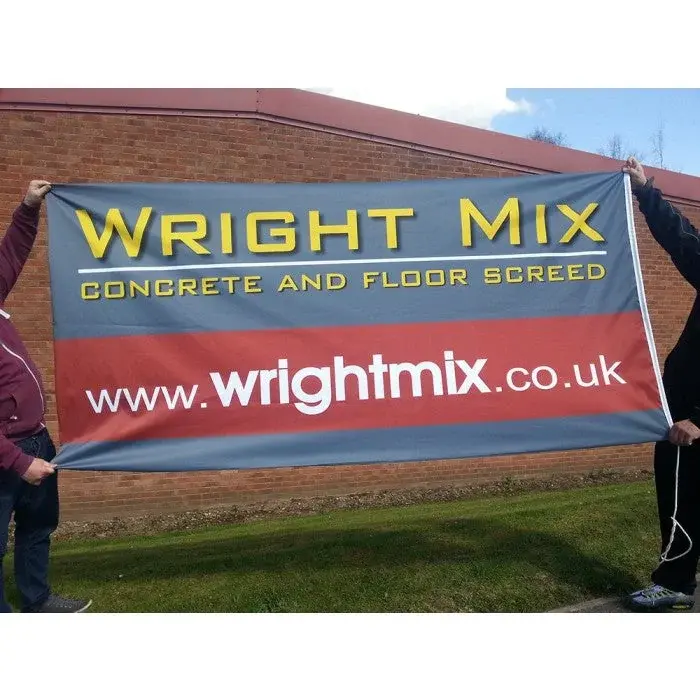
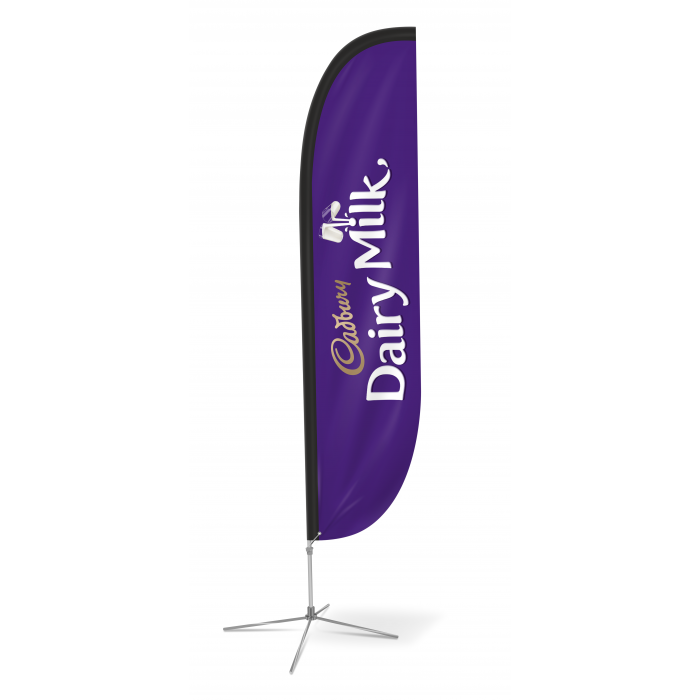
Are you looking to add a touch of uniqueness to your branding or event? Custom flags are the perfect solution to make a bold statement and set yourself apart from the crowd. Whether it's for a business promotion, sports event, or personal celebration, mastering the art of flag building can be a game-changer. In this ultimate guide, we will take you on a journey to explore the world of custom flags, from design to production. You'll discover the secret to creating eye-catching designs that showcase your brand's personality and captivate your audience. With step-by-step instructions and expert tips, you'll learn how to choose the right materials, colors, and size that align with your objective. We'll also delve into the various printing techniques and quality control measures to ensure your custom flags are durable and visually striking. No matter your design skills or budget, this comprehensive guide will empower you to bring your vision to life. Get ready to unleash your creativity and leave a lasting impression with custom flags that reflect your unique identity. History and significance of custom flags The use of custom flags dates back to ancient civilizations, where they served as symbols of power, identity, and allegiance. Throughout history, flags have been used to represent nations, organizations, and individuals, conveying a sense of unity, pride, and belonging. From the grand banners of medieval knights to the vibrant colors of modern-day sports teams, custom flags have played a crucial role in shaping the cultural and political landscape. In the modern era, the significance of custom flags has evolved, becoming a powerful tool for branding, marketing, and self-expression. Businesses and organizations have recognized the value of custom flags in creating a strong visual identity and enhancing their brand recognition. Custom flags can be used to showcase a company's logo, slogan, or unique design, effectively capturing the attention of potential customers and clients. Beyond the commercial realm, custom flags have also become an integral part of personal celebrations, events, and milestones. From weddings and birthdays to sports events and parades, custom flags allow individuals to express their unique identity, commemorate special occasions, and foster a sense of community. The versatility and visual impact of custom flags make them an invaluable asset in creating memorable experiences and leaving a lasting impression on the audience. Types of custom flags Custom flags come in a wide range of shapes, sizes, and materials, each with its own unique purpose and application. From the classic rectangular flag to the eye-catching feather flag, the options are endless when it comes to creating a custom flag that suits your needs. One of the most common types of custom flags is the standard rectangular flag, which is often used for indoor and outdoor displays, such as at businesses, events, or government buildings. These flags can be made from a variety of materials, including polyester, nylon, or cotton, and can be printed with a wide range of designs, logos, or text. Another popular type of custom flag is the swooper flag, also known as a feather flag or teardrop flag. These flags feature a distinctive shape that tapers to a point, creating a dynamic and eye-catching display. Swooper flags are often used for outdoor events, trade shows, or to draw attention to a specific location, such as a storefront or booth. They are typically made from lightweight materials, making them easy to transport and set up. In addition to these standard flag types, there are also custom options that cater to specific needs or preferences. For instance, some custom flags are designed to be flown from a flagpole, while others are intended for handheld use or to be attached to a vehicle. The choice of flag type will depend on the intended use, the desired visual impact, and the overall branding or event objectives. Choosing the right materials for your custom flag Selecting the right materials for your custom flag is crucial to ensuring its durability, visual appeal, and overall effectiveness. The choice of material will depend on factors such as the intended use, the environmental conditions, and your budget. One of the most popular materials for custom flags is polyester, which is known for its strength, versatility, and vibrant printing capabilities. Polyester flags are often used for outdoor applications, as they are resistant to fading, tearing, and weathering. They are also relatively inexpensive, making them a cost-effective option for businesses and event organizers. Another material option is nylon, which is known for its lightweight and high-quality finish. Nylon flags are often used for indoor displays, as they have a softer, more luxurious feel compared to polyester. They are also highly durable and can withstand repeated use without compromising their appearance. For a more premium and elegant look, some custom flags are made from cotton. Cotton flags are known for their smooth texture and rich, vibrant colors, making them a popular choice for formal events, ceremonies, or high-end branding initiatives. However, cotton flags may be more susceptible to fading and wear over time, so they may require more maintenance and care. In addition to the primary material, you may also need to consider the weight and thickness of the flag, as well as any coatings or finishes that can enhance its durability and performance. For example, some flags are treated with a water-resistant coating to withstand outdoor conditions, while others may feature reinforced edges or grommets for secure mounting. Designing your custom flag Designing your custom flag is an exciting and creative process that allows you to bring your vision to life. Whether you're creating a flag for your business, a special event, or a personal celebration, the design should capture the essence of your brand, message, or identity. The first step in designing your custom flag is to determine the overall purpose and desired impact. Consider the audience you're trying to reach, the message you want to convey, and the visual elements that will best represent your brand or event. This will help you establish a clear design direction and ensure that your custom flag effectively communicates your intended message. When it comes to the actual design, you'll have the opportunity to explore a variety of elements, including colors, typography, imagery, and patterns. Choose a color scheme that aligns with your brand identity or the theme of your event, and consider how the colors will interact with the chosen flag material. Additionally, carefully select the typography and any graphic elements, ensuring they are legible, visually striking, and cohesive with the overall design. One important aspect of designing your custom flag is to keep the design simple and impactful. Cluttered or overly complex designs can be visually overwhelming and may fail to capture the attention of your audience. Instead, focus on creating a bold, memorable design that instantly conveys your message or brand. To ensure your custom flag design is of the highest quality, it's recommended to work with a professional graphic designer or a reputable flag manufacturer. They can provide valuable guidance on design best practices, file formats, and technical requirements to ensure your custom flag is produced to the highest standards. Printing and manufacturing your custom flag Once you've finalized your custom flag design, the next step is to bring it to life through the printing and manufacturing process. This phase is crucial to ensuring that your custom flag is not only visually stunning but also durable and long-lasting. There are several printing techniques available for custom flags, each with its own advantages and considerations. One of the most common methods is digital printing, which uses advanced inkjet technology to produce high-quality, vibrant images on the flag material. Digital printing is a popular choice for smaller orders or custom designs, as it allows for greater flexibility and faster turnaround times. Another printing technique is screen printing, which involves pressing ink through a mesh screen onto the flag material. Screen printing is often used for larger orders or for designs with specific color requirements, as it can produce consistently accurate and long-lasting results. This method is particularly well-suited for bold, simple designs with solid colors. In addition to the printing process, the manufacturing of your custom flag is also crucial. The flag material must be cut and sewn with precision to ensure a clean, professional finish. Reinforced edges, grommets, and other hardware may be added to enhance the flag's durability and ease of installation. To ensure the highest quality and consistency, it's recommended to work with a reputable flag manufacturer that has experience in custom flag production. They can guide you through the printing and manufacturing process, provide recommendations on the best materials and techniques, and ensure that your custom flag meets or exceeds your expectations. Installing and displaying your custom flag Once your custom flag is produced, the next step is to properly install and display it to maximize its visual impact and effectiveness. The way you choose to install and display your custom flag can significantly influence its overall impact and the message it conveys. For outdoor applications, such as at a business location or event, you'll need to consider the appropriate flag pole or mounting system. The size and weight of your custom flag, as well as the environmental conditions, will dictate the type of flag pole or mounting hardware required. Ensure that the installation is secure and stable to prevent the flag from becoming damaged or blowing away in windy conditions. For indoor displays, you can explore a variety of options, such as wall-mounted flag holders, table-top stands, or even hanging systems. These solutions allow you to showcase your custom flag in a visually appealing and controlled environment, ensuring that it remains clean, undamaged, and easily visible to your audience. When it comes to the placement and positioning of your custom flag, consider the overall visual impact and the message you want to convey. Position the flag in a prominent location where it can be easily seen and appreciated by your target audience. If you're using multiple custom flags, such as at an event or trade show, ensure that they are strategically placed to create a cohesive and impactful display. Proper flag etiquette and protocols should also be observed when installing and displaying your custom flag. This may include following guidelines for flag height, positioning, and illumination, as well as respecting any local or national regulations. By adhering to these standards, you can demonstrate respect for the significance of flags and ensure that your custom flag is displayed in a dignified and appropriate manner. Maintenance and care for custom flags Maintaining and caring for your custom flag is essential to ensuring its longevity and preserving its visual appeal. Proper maintenance not only extends the lifespan of your flag but also ensures that it continues to effectively represent your brand, event, or personal identity. One of the most important aspects of custom flag maintenance is regular cleaning. Depending on the material and the environment in which the flag is displayed, it may accumulate dirt, dust, or other environmental pollutants over time. To keep your custom flag looking its best, it's recommended to gently clean it using a mild detergent and warm water, or to have it professionally cleaned if necessary. In addition to cleaning, it's crucial to properly store your custom flag when not in use. Folding the flag correctly and storing it in a cool, dry place can help prevent damage, such as fading, creasing, or tearing. If your custom flag is made of delicate materials, such as cotton, you may need to take extra precautions to ensure its long-term preservation. For outdoor custom flags, regular inspections and adjustments are essential. Check the flag pole or mounting system for any signs of wear or damage, and make necessary repairs or replacements to ensure the flag remains securely in place. Additionally, monitor the flag's condition for any signs of weathering, such as fading, fraying, or tears, and address these issues promptly to maintain the flag's visual impact. By following these simple maintenance and care practices, you can ensure that your custom flag remains in top condition, continuing to serve as a powerful representation of your brand, event, or personal identity for years to come. Investing in the proper care and maintenance of your custom flag will not only extend its lifespan but also contribute to a positive and lasting impression on your audience. Flag building tips and tricks Building custom flags can be a rewarding and creative process, but it's important to keep in mind a few key tips and tricks to ensure your final product is a success. Here are some valuable insights to consider: 1. Start with a clear vision: Before you begin the design process, take the time to define your objectives, target audience, and the message you want to convey. This will help you create a custom flag that is both visually appealing and effectively communicates your brand or event. 1. Prioritize quality materials: Investing in high-quality materials, such as durable fabrics and long-lasting printing techniques, can make a significant difference in the longevity and overall appearance of your custom flag. 1. Embrace simplicity: Avoid overcrowding your custom flag design with too many elements. Stick to a clean, bold, and impactful design that is easy to recognize and remember. 1. Consider the environment: If your custom flag will be displayed outdoors, be sure to select materials and design elements that can withstand exposure to the elements, such as wind, rain, and UV radiation. 1. Pay attention to the details: From the placement of grommets to the precision of the stitching, every aspect of your custom flag's construction can impact its overall quality and appearance. 1. Work with experienced professionals: Collaborating with a reputable flag manufacturer or graphic designer can provide valuable insights, technical expertise, and quality assurance throughout the custom flag-building process. 1. Embrace versatility: Consider creating custom flags in various sizes, shapes, and formats to cater to different applications and settings, such as indoor displays, outdoor events, or vehicle-mounted flags. 1. Prioritize maintenance and care: Develop a routine maintenance plan to ensure your custom flag remains in top condition, preserving its visual impact and longevity. By keeping these tips and tricks in mind, you can navigate the custom flag-building process with confidence, creating a unique and impactful flag that reflects your brand, event, or personal identity. Conclusion: Unleash your creativity with custom flags Custom flags offer a powerful and versatile way to make a bold statement and stand out from the crowd. Whether you're a business looking to enhance your brand recognition, an event organizer seeking to create a memorable experience, or an individual celebrating a special occasion, custom flags can be the perfect solution. In this comprehensive guide, we've explored the rich history and significance of custom flags, the various types and materials available, and the step-by-step process of designing, producing, and displaying your own custom flag. From choosing the right colors and imagery to ensuring proper installation and maintenance, we've provided you with the essential knowledge and tools to unleash your creativity and bring your vision to life. By mastering the art of flag building, you'll have the opportunity to create a unique and impactful visual representation of your brand, event, or personal identity. Custom flags can captivate your audience, foster a sense of community, and leave a lasting impression that sets you apart from the rest. So, what are you waiting for? Embrace the power of custom flags and let your creativity soar. Start planning your custom flag today and watch as it becomes a powerful tool for self-expression, branding, and creating unforgettable experiences.


Comments